Masonry is a time-tested construction technique that uses individual units—such as brick, stone, or concrete blocks—laid in and bound together by mortar. Depending on the material used and the desired outcome, there are several types of masonry, each with its own advantages and ideal applications.
1. Brick Masonry
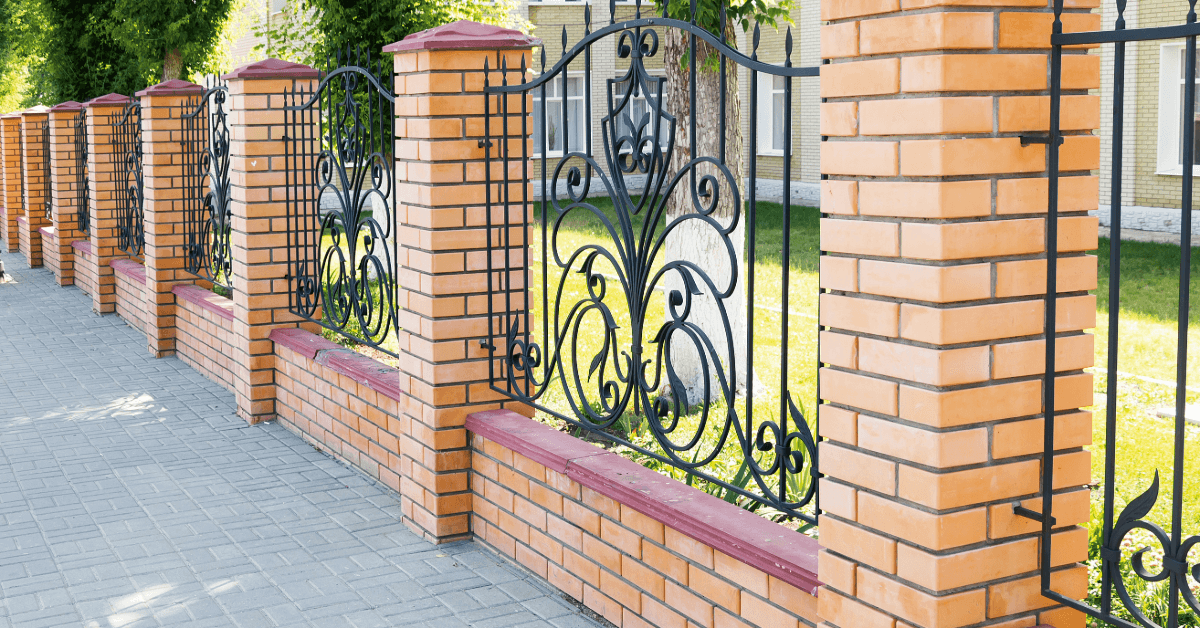
Brick masonry is one of the most common and traditional forms of masonry. It uses clay or concrete bricks arranged in various bond patterns. Known for its uniform appearance and structural reliability, brick masonry is widely used in residential and commercial construction.
- Durable and fire-resistant
- Good thermal insulation
- Low maintenance
2. Stone Masonry
Stone masonry uses natural stones such as granite, limestone, or sandstone. It offers a classic, elegant appearance and exceptional strength, making it ideal for retaining walls, monuments, and upscale buildings.
- Highly durable and weather-resistant
- Timeless aesthetic appeal
- Requires skilled craftsmanship
3. Concrete Block Masonry
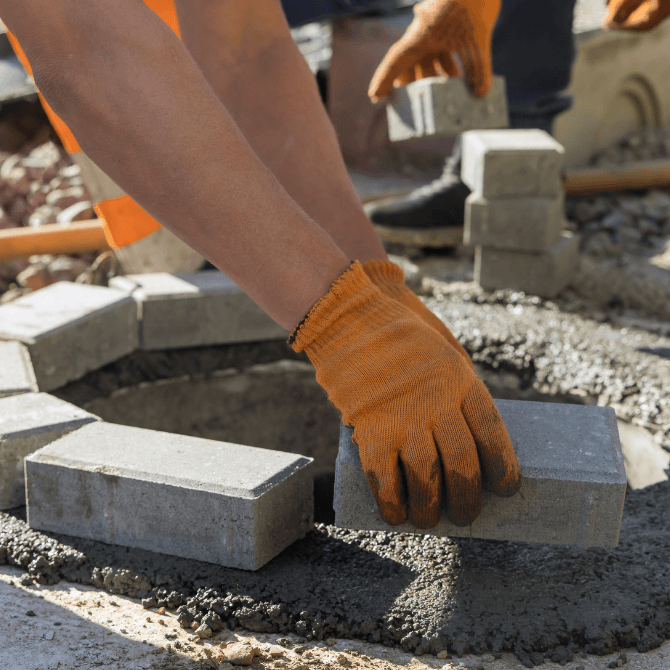
Concrete block masonry uses large concrete blocks instead of smaller bricks or stones. This type is often used for structural walls, foundations, and large-scale buildings due to its strength and speed of construction.
- Cost-effective and quick to install
- Excellent load-bearing capacity
- Can be reinforced with steel for added strength
4. Veneer Masonry
Veneer masonry involves attaching a thin layer of brick, stone, or manufactured material to the exterior of a wall for decorative purposes. It’s not load-bearing but gives the appearance of solid masonry construction.
- Lightweight and versatile
- Improves curb appeal
- Can be installed over wood or metal framing
5. Gabion Masonry
Gabion masonry uses wire mesh baskets filled with rocks or stones. Often used in landscaping and civil engineering projects, it provides effective erosion control and structural support.
- Eco-friendly and permeable
- Blends well with natural environments
- Low maintenance and highly durable
Understanding the different types of masonry can help you make the right decision for your project—whether it’s a new home, a retaining wall, or decorative outdoor feature. Choose the material and method that best fit your structural needs and aesthetic vision.
To explore expert masonry services in North Carolina, visit Custom Masonry.
continue reading
Related Posts
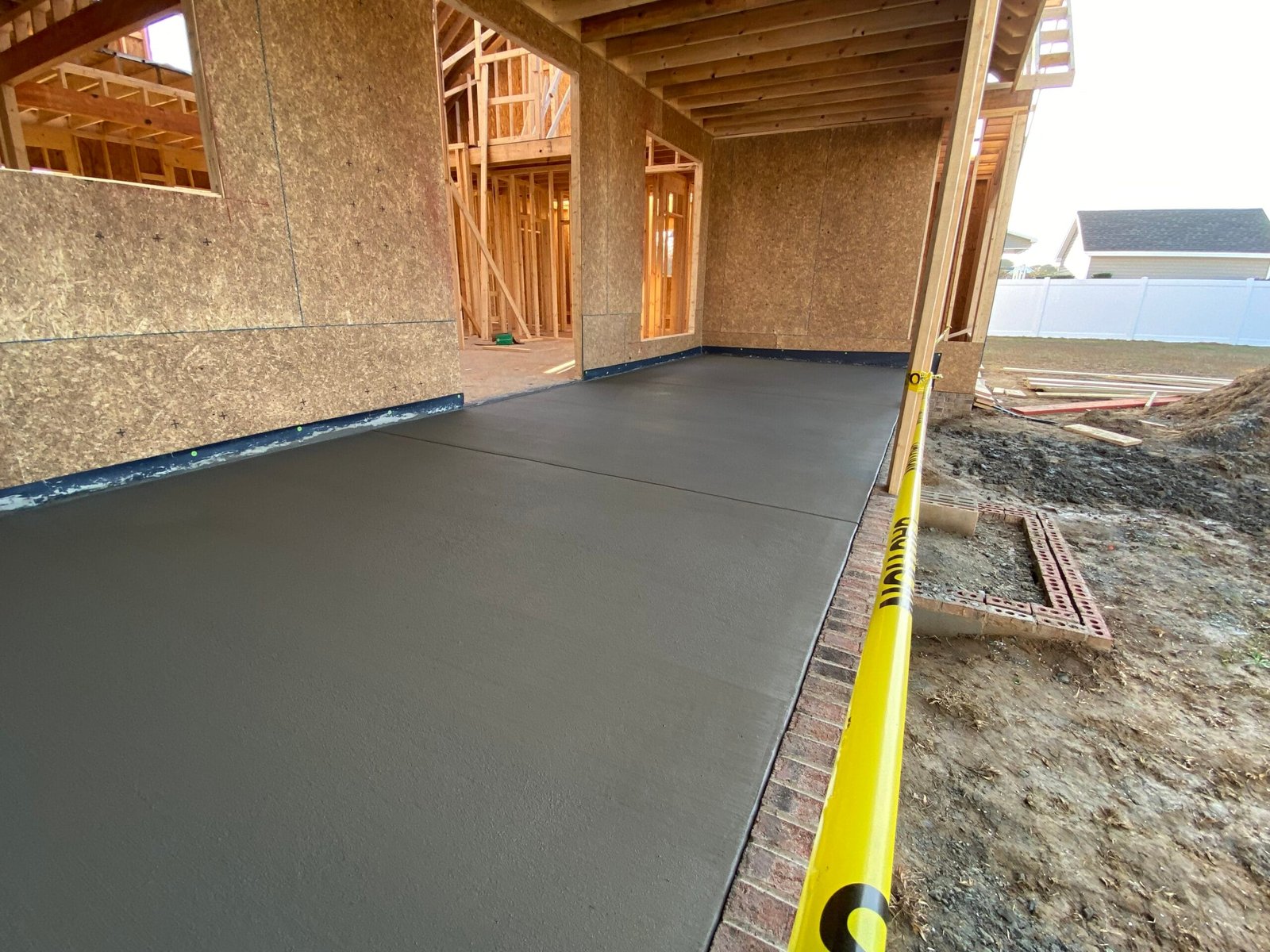
Trusted Concrete Services in Wilmington, NC If you’re searching for